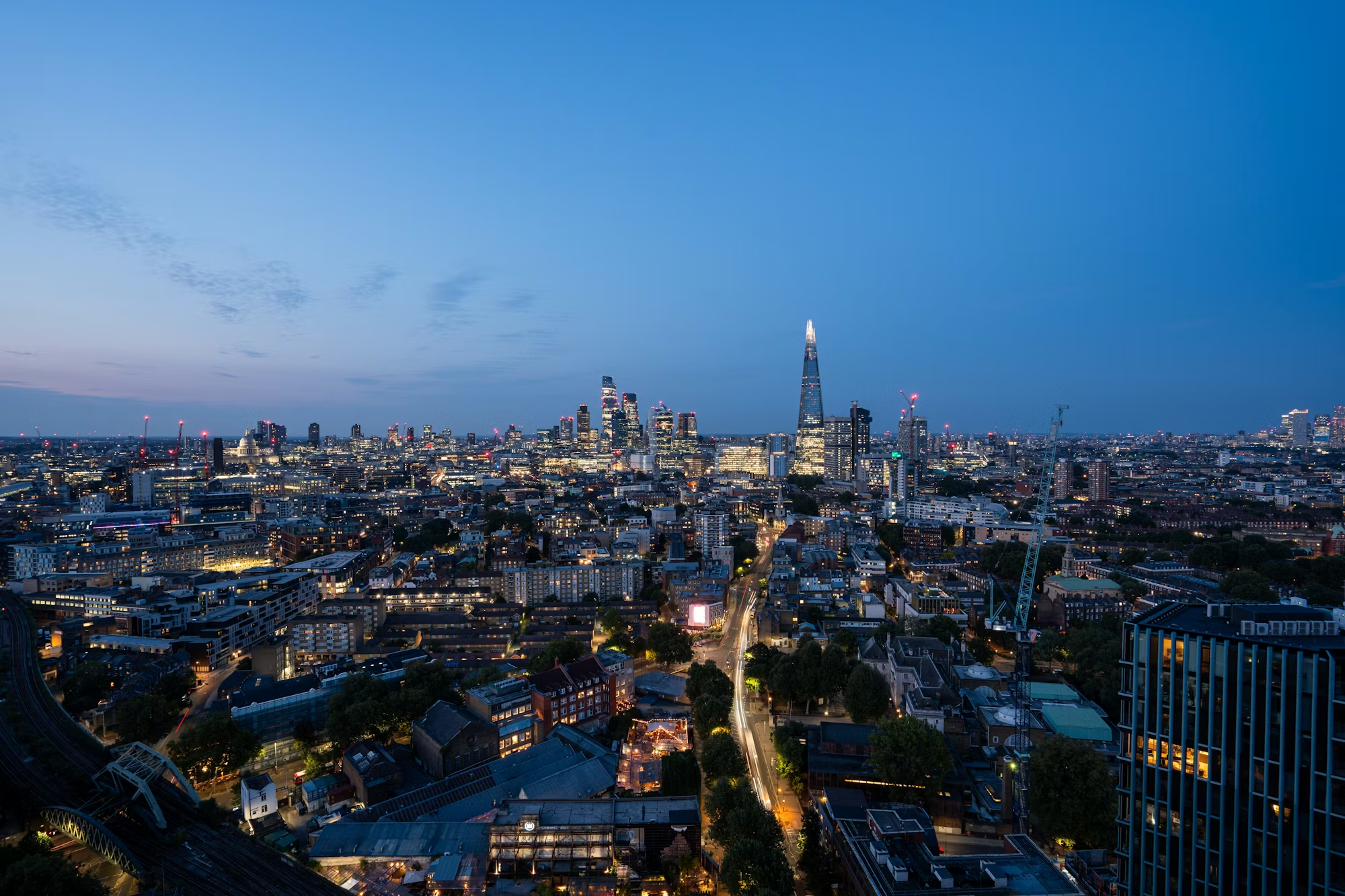
As cities around the world continue to expand upward, hotel skyscrapers have emerged as iconic symbols of modern luxury and sophistication. These towering structures not only redefine the skyline but also elevate the travel experience, offering guests unparalleled amenities, breathtaking views, and a unique sense of place. This article delves into the evolution of hotel skyscrapers, their architectural innovations, and the ways they are reshaping urban travel.
Historically, hotels have been designed to accommodate travelers, providing essential services and comfort. However, the advent of skyscraper technology allowed architects and developers to reimagine these spaces in new and exciting ways. Today’s hotel skyscrapers combine cutting-edge design with luxurious amenities, offering experiences that go beyond traditional lodging. The Ritz-Carlton in Hong Kong, for example, is situated on the 102nd floor of the International Commerce Centre, providing guests with stunning views of Victoria Harbour and the city skyline. Such locations create a sense of exclusivity and luxury that is unmatched.
The architectural innovation seen in hotel skyscrapers is often driven by the desire to create unique guest experiences. These buildings often feature dramatic designs that incorporate local cultural elements, ensuring that each hotel reflects its surroundings. The Marina Bay Sands in Singapore is a prime example, with its three interconnected towers topped by a unique sky park. This design not only provides guests with a stunning view of the city but also incorporates green spaces that enhance the overall experience. Such architectural feats not only attract tourists but also contribute to the city’s identity, making them significant landmarks in their own right.
Beyond aesthetics, the interior design of hotel skyscrapers has also evolved to meet the changing expectations of travelers. Modern hotel guests seek more than just a place to sleep; they desire an immersive experience that reflects contemporary lifestyle trends. Many hotel skyscrapers now feature open, multifunctional spaces that encourage social interaction, such as lounges, rooftop bars, and co-working areas. The One World Trade Center in New York City, which houses the Conrad New York Downtown, incorporates these elements to create a vibrant atmosphere where guests can work, socialize, and relax all in one place. This shift towards communal spaces enhances the guest experience by fostering a sense of community within the hotel.
Sustainability has also become a key consideration in the design and operation of hotel skyscrapers. As awareness of environmental issues grows, travelers increasingly prefer accommodations that reflect their values. Many hotel developers are now prioritizing eco-friendly practices, incorporating energy-efficient technologies and sustainable materials into their buildings. The Hyatt Centric Montevideo in Uruguay is a notable example, designed with a focus on sustainability while providing luxurious amenities. This hotel utilizes solar panels, rainwater harvesting systems, and energy-efficient appliances to minimize its environmental impact while offering a high-end experience.
Furthermore, hotel skyscrapers often play a vital role in the local economy. They attract business travelers, tourists, and events, creating jobs and stimulating economic growth. Cities like Dubai have invested heavily in hotel skyscrapers, recognizing their potential to draw international visitors. The Burj Al Arab, often referred to as the world’s only seven-star hotel, not only offers luxurious accommodations but also contributes significantly to Dubai’s status as a global travel destination. The influx of visitors leads to increased spending in the local economy, benefiting restaurants, shops, and attractions in the area.
In addition to economic contributions, hotel skyscrapers often host major events and conferences, further establishing their importance in urban environments. With spacious conference rooms, high-tech facilities, and luxurious accommodations, these hotels cater to business travelers seeking convenience and sophistication. The Shangri-La Hotel at The Shard in London exemplifies this, offering a premier venue for events while providing guests with breathtaking views of the city. By serving as both a luxury hotel and a conference center, these skyscrapers maximize their potential and enhance their appeal to a diverse clientele.
As the hospitality industry continues to evolve, technology plays an increasingly significant role in enhancing the guest experience in hotel skyscrapers. Many modern hotels are adopting smart technology to streamline operations and improve convenience. Features such as mobile check-in, keyless room entry, and smart room controls allow guests to customize their stay and enjoy seamless service. The Four Seasons Hotel in Atlanta integrates these technologies, offering guests a modern and efficient experience that meets the demands of today’s travelers.
Looking to the future, the trend towards hotel skyscrapers is likely to continue as urban populations grow and the demand for luxury accommodations rises. Developers will need to adapt to changing consumer preferences, focusing on innovative designs, sustainability, and technology integration. As the landscape of urban travel evolves, hotel skyscrapers will remain at the forefront, continually redefining luxury and transforming the travel experience.
In conclusion, hotel skyscrapers are not merely places to stay; they represent a new paradigm in urban travel. By combining architectural innovation, luxurious amenities, and sustainability, these towering structures are reshaping the hospitality industry and enhancing the overall travel experience. As cities continue to grow and evolve, hotel skyscrapers will play an essential role in attracting visitors, fostering economic growth, and creating unique urban identities. The future of luxury travel lies in our ability to create spaces that inspire and connect, and hotel skyscrapers stand as a testament to this vision.